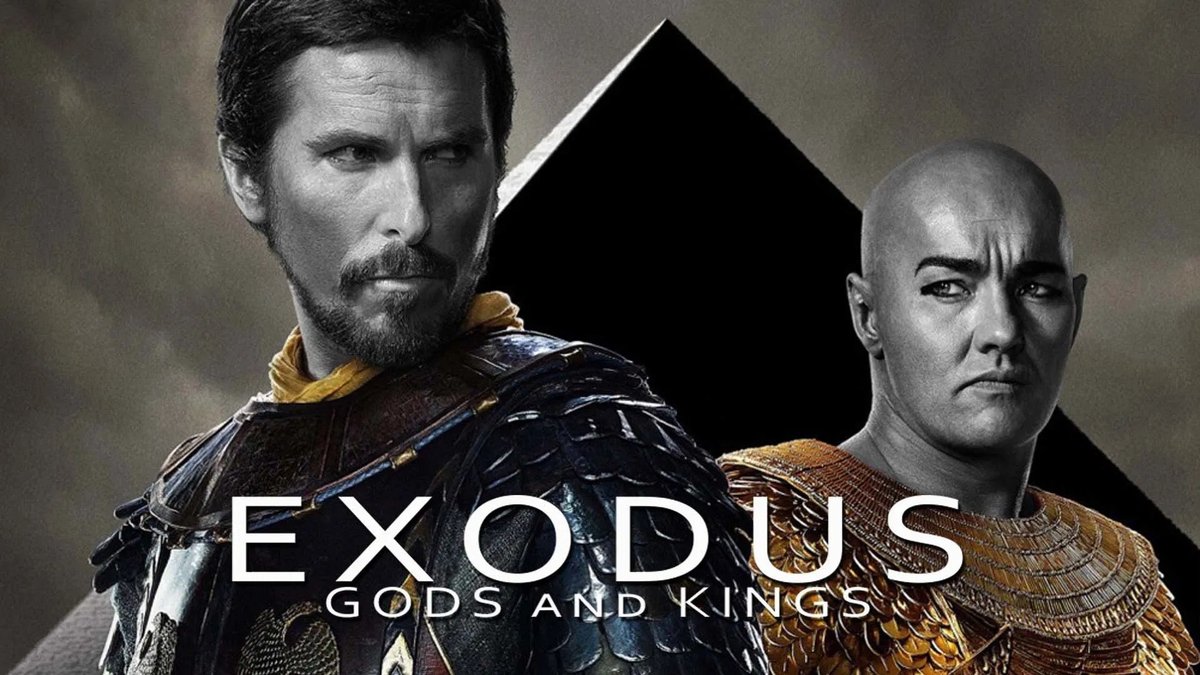
Imagine a world where the very fabric of existence is swayed by divine will. Where deities, once thought benevolent or at least predictable, withdraw their favor, unleash their fury, or even depart, leaving humanity to grapple with the seismic shifts of their absence or intervention. This isn't merely a fantasy; it's a profound theme woven into the tapestry of human history, mythology, and belief. Few narratives capture this epic struggle better than the biblical story of the Exodus, brought to breathtaking life in Ridley Scott's 2014 film, Exodus: Gods and Kings.
This super pillar hub delves into the compelling concept of the "exodus of the gods"—the dramatic moments when divine powers assert their dominance, reshape destinies, and often, in doing so, depart from one domain to establish a new order elsewhere. Join us as we explore the cinematic spectacle, its deeper meanings, and the universal questions it provokes.
The Epic Canvas of Exodus: Gods and Kings
Ridley Scott's Exodus: Gods and Kings plunges viewers into the tumultuous world of 1300 BC Egypt, a sprawling empire built on the backs of Hebrew slaves. The film centers on the complex relationship between Moses (Christian Bale), a general raised within the royal family, and his adoptive brother, Prince Ramesses (Joel Edgerton), who ascends to Pharaoh. Their bond is shattered when Moses discovers his true Hebrew heritage, leading to his banishment and a divine encounter that irrevocably alters his path.
Moses's journey from Egyptian prince to a prophet chosen by God is the heart of the narrative. After finding solace and starting a family in Midian, he receives a divine mission from Malak, God's messenger: to liberate his people from the clutches of Egyptian servitude. His return sparks a monumental confrontation with Ramesses, whose refusal to free the Hebrews triggers a series of devastating, divinely orchestrated plagues upon Egypt.
A Land Under Siege: The Plagues and Their Aftermath
The film dramatically portrays the ten plagues, each more catastrophic than the last: water turning to blood, a deluge of frogs, infestations of lice and flies, the death of livestock, painful boils, destructive hail, swarms of locusts, and an oppressive darkness. These are not just natural disasters; they are interpreted as direct manifestations of God's wrath, a powerful demonstration of divine will asserting itself against the gods of Egypt and Ramesses's unwavering defiance.
The ultimate plague, the death of all firstborn children, forces Ramesses to concede, devastated by the loss of his own son. This moment encapsulates the profound Impact of Godly Absence on those left behind, reeling from divine retribution. It's a poignant depiction of how the withdrawal of divine favor, or the active judgment of a deity, can shatter civilizations and reshape the destinies of entire peoples.
The Parting of the Red Sea and a New Covenant
With the Hebrews finally free, Moses leads them towards the Red Sea, a path fraught with danger as Ramesses and his army pursue them. The film presents the iconic parting of the Red Sea with awe-inspiring visual effects, allowing the Hebrews to cross to freedom before the waters crash down upon the pursuing Egyptians. This climactic event marks a definitive "exodus" – not just of people, but of divine presence from Egypt in favor of guiding the nascent nation of Israel.
Moses later receives the Ten Commandments on Mount Sinai, establishing a new covenant and a moral framework for his people. The journey of the Ark of the Covenant, protected by an elderly Moses, symbolizes the enduring presence of God among his people, guiding them through their desert wanderings. For those interested in how deities might choose to move their favor or actively remove themselves from a specific domain, you might want to consider the Motivations Behind Divine Departures across various mythologies.
Beyond the Screen: Exploring the Divine Exodus
The narrative of Exodus: Gods and Kings is a powerful entry point into broader discussions about "exodus of the gods." It showcases a deity actively intervening, making a grand statement, and ultimately shifting allegiance, leaving Egypt stripped of its former divine protection. The film’s portrayal, including the mysterious figure of Malak as God’s messenger, invites viewers to Uncover tales of divine absence or selective presence that have shaped human history and belief systems across countless cultures.
The film's visual splendor and dramatic intensity also sparked significant debate regarding its historical and biblical accuracy, as well as its portrayal of divine miracles through a lens of "natural causes." These controversies, from criticisms of "whitewashing" to Ridley Scott's interpretations and Christian Bale's comments about Moses, underline the profound Theological & Philosophical Interpretations of such sacred narratives. How we understand and depict divine intervention, wrath, and departure profoundly impacts our spiritual and cultural landscapes.
From Ancient Egypt to Midian, and the epic escape across the Red Sea, the film uses its historical 1300 BC setting to anchor a timeless story of identity, freedom, and divine purpose. The struggles faced by Moses and the Hebrews, the divine intervention, and the ultimate liberation resonate with universal themes found across different civilizations. To truly grasp the widespread nature of such stories, it’s worth taking the time to Explore Exoduss Mythological Parallels which highlight how similar narratives of liberation and divine guidance have echoed through history.
The Enduring Legacy of Divine Intervention
The "exodus of the gods", whether it's a divine wrath that devastates a land or a deity choosing a new path for their chosen people, remains a potent concept. Exodus: Gods and Kings serves as a grand reminder of humanity's enduring fascination with the divine, and our perpetual quest to understand the forces that shape our world. As societies continue to evolve, so too do our interpretations of these ancient stories, challenging us to reflect on our own understanding of power, faith, and the eternal quest for freedom.
Panduan Terkait
Jangan lewatkan panduan mendalam berikut: